


Key Takeaways
- Customers increasingly expect mobility services to provide convenience, flexibility and reliability; not merely access to a vehicle.
- Growing interest in SUVs, chauffeured services and intercity journeys reflects changing travel needs.
- WopeCar’s Kumasi experience reveals a possible gap between the availability of chauffeured rentals and customer demand for self-drive options.
- Reliable mobility depends on well-maintained vehicles, responsive support, clear communication and consistent fulfilment.
- Strong vehicle partnerships and locally adapted service models are essential to expanding mobility across Ghana.
Beyond the Steering Wheel: What Nine Years Have Taught Us About Mobility in Ghana

Mobility is about more than having a vehicle available. It is about whether people can move safely, reliably and conveniently, and whether the service supporting their journey responds to their actual needs.
Over nine years of serving individuals, families and businesses, WopeCar has had a close view of how these needs are changing. Clients are not simply looking for a car. They expect a dependable end-to-end experience: prompt communication, a vehicle suited to their journey and consistency between what was promised and what is ultimately delivered. This goes beyond customer service. It is about the entire customer experience, from the first enquiry and booking to vehicle delivery, support and return.
Having completed more than 20,000 bookings for over 4,000 clients, we have learned that building a dependable mobility service requires much more than putting vehicles on the road.
Changing Journeys and Changing Vehicle Preferences
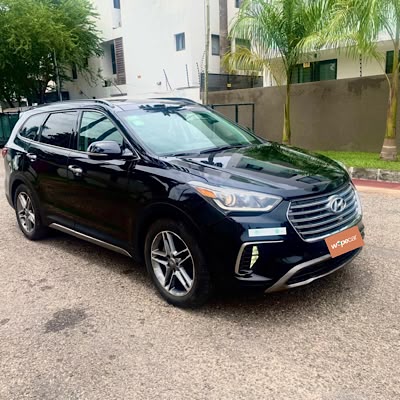
One of the clearest changes we have observed is a growing preference for SUVs. Clients increasingly prioritise comfort, reliability and vehicles that can manage varying road conditions, particularly when their journeys extend beyond major cities.
Our experience has also shown that demand for rental mobility is not limited to Accra. Clients book vehicles for long-distance journeys to destinations including Kumasi, Takoradi, Cape Coast and Ho. Having served customers across all 16 regions of Ghana, we have seen that the country’s mobility needs cannot be understood through an Accra-only lens.
Our expansion into Kumasi has made this even clearer. We found that many of the rental options available through providers in the city were chauffeur-driven. As a result, WopeCar’s service there has also largely focused on chauffeured rentals. However, repeated enquiries from clients seeking self-drive options suggest that there may be demand that the current market is not fully meeting.
Book our Mitsubishi Outlander in Kumasi today
This experience has shown us that mobility needs, and the services available to meet them, can differ significantly from one city to another. Expanding mobility beyond Accra therefore requires more than reproducing the same service model elsewhere. Providers must understand local supply, customer preferences and the specific gaps within each market.
The Growing Value of Chauffeured Mobility

We have also observed growing demand for chauffeur-driven services, particularly among business travellers and corporate clients. For these clients, having a professional driver offers more than convenience. It allows them to focus on meetings, calls and other responsibilities without having to manage unfamiliar routes, traffic or parking.
WopeCar has served more than 200 corporate clients and completed over 500 airport pickups. These experiences have demonstrated how much businesses and travellers depend on punctuality, clear coordination and a smooth transition from arrival to destination.
A delayed pickup or poorly coordinated journey can disrupt meetings, appointments and carefully planned schedules. Reliable mobility therefore plays a practical role in supporting productivity and business continuity.
Convenience Depends on What Happens Behind The Scenes

Clients today expect a straightforward booking process, fast responses, flexible rental options and clear communication. Delivering that experience consistently, however, requires significant work behind the scenes.
Vehicles must be properly maintained and prepared. Availability must be confirmed accurately. Delivery and pickup times must account for traffic and other operational realities. Teams must also respond quickly when travel plans change.
Last-minute bookings remain one of the most common challenges, especially during peak periods when vehicle availability is limited. The challenge is not simply finding any available vehicle; it is finding one that meets the client’s requirements without compromising quality or reliability. Traffic can also affect delivery times. This has made advance planning and proactive communication essential. Even when delays cannot be completely avoided, clients should know what is happening and what to expect.
Convenience, therefore, is not created by speed alone. It is created by dependable systems, honest communication and the ability to manage each stage of the client’s journey.
Trust is Built Through Consistent Delivery

In mobility, trust is not established by a promise alone. It is built when the service consistently matches that promise. Clients value clean, well-maintained vehicles, responsive support and the assurance that they will receive the vehicle they reserved. More than 1,000 WopeCar clients have completed multiple bookings with us, reinforcing the importance of consistency in building long-term relationships.
Clients remember whether a vehicle arrived on time. They remember whether it matched the information they received and whether support was available when they needed it. Each of these details shapes whether they feel confident booking again.
This matters particularly within a car rental industry where customers may encounter different service standards across companies, platforms and independent operators. When information is unclear or the condition of a vehicle and quality of communication do not match expectations, clients can become hesitant. Building greater trust in the industry will require rental businesses to treat transparency, consistency and accurate fulfilment as basic standards rather than added advantages.
Strong Partnerships Expand Access
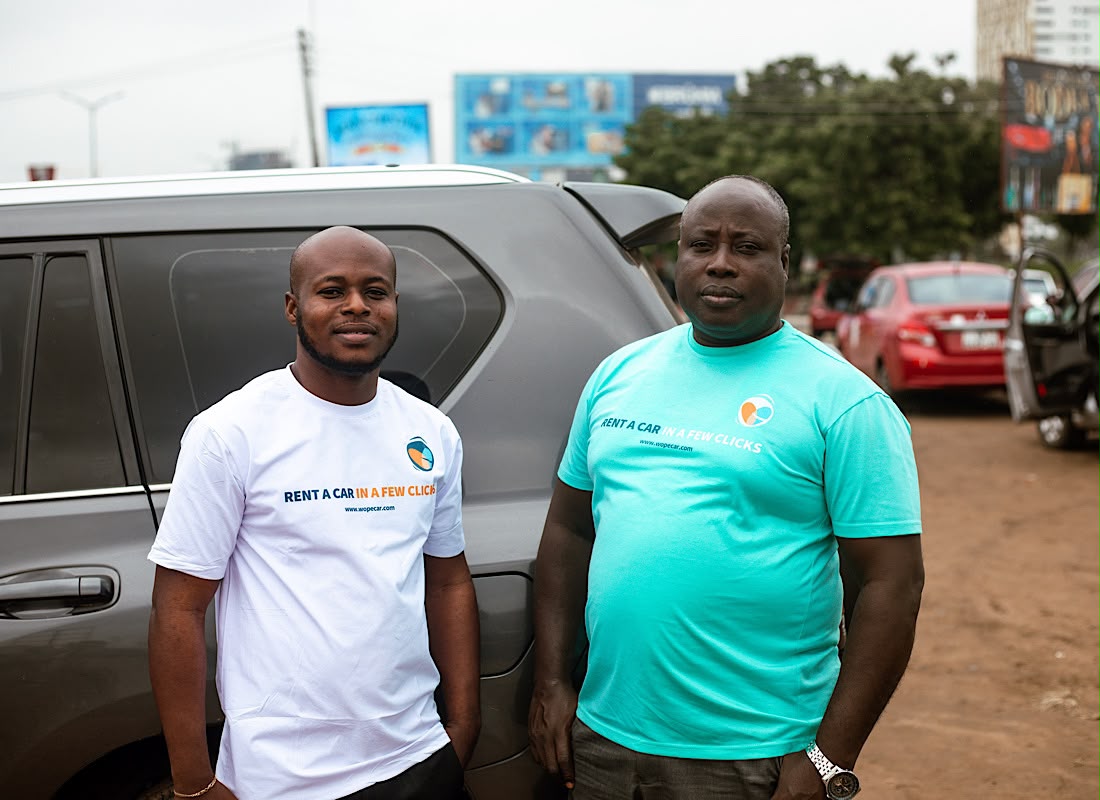
Nine years of operating in Ghana have also taught us that reliable mobility cannot be built alone. WopeCar has worked with more than 200 vehicle partners, creating access to a wider range of vehicles and helping the business respond to different client needs. These partnerships are especially important when demand changes across seasons, destinations and customer groups.
However, expanding access through partnerships must be matched by clear expectations around vehicle condition, maintenance, accurate information and customer experience. A broad network may increase availability, but consistent standards are what protect customer trust.
Partnerships are therefore not only a means of expanding inventory. When managed well, they become part of the infrastructure required to provide dependable mobility.
What Must Come Next

Important gaps remain within Ghana’s car-rental market. Vehicle availability can be limited during peak periods, particularly for last-minute requests. The cost of longer rentals may also be difficult for some clients, while inconsistent service standards can make it challenging to know what to expect from one rental business to another.
Addressing these points of friction will require stronger operational systems, better use of technology, more adaptable rental options and greater transparency across the industry. It will also require closer collaboration among rental businesses, vehicle owners, corporate organisations and customers.
These improvements will not solve Ghana’s wider transportation challenges, which extend to public transport, congestion, road infrastructure and rural connectivity. However, a more reliable rental market can fill an important part of the mobility gap for people and businesses that need flexible access to vehicles without ownership.
After nine years and more than 20,000 completed bookings, our greatest lesson is simple: rental mobility is not merely about supplying cars. It is about helping people participate in business, tourism, family life and opportunity with fewer barriers and greater confidence.
Access is essential, but access alone is not enough. What people need is a rental experience they can rely on, wherever their journeys take them.