

The short answer
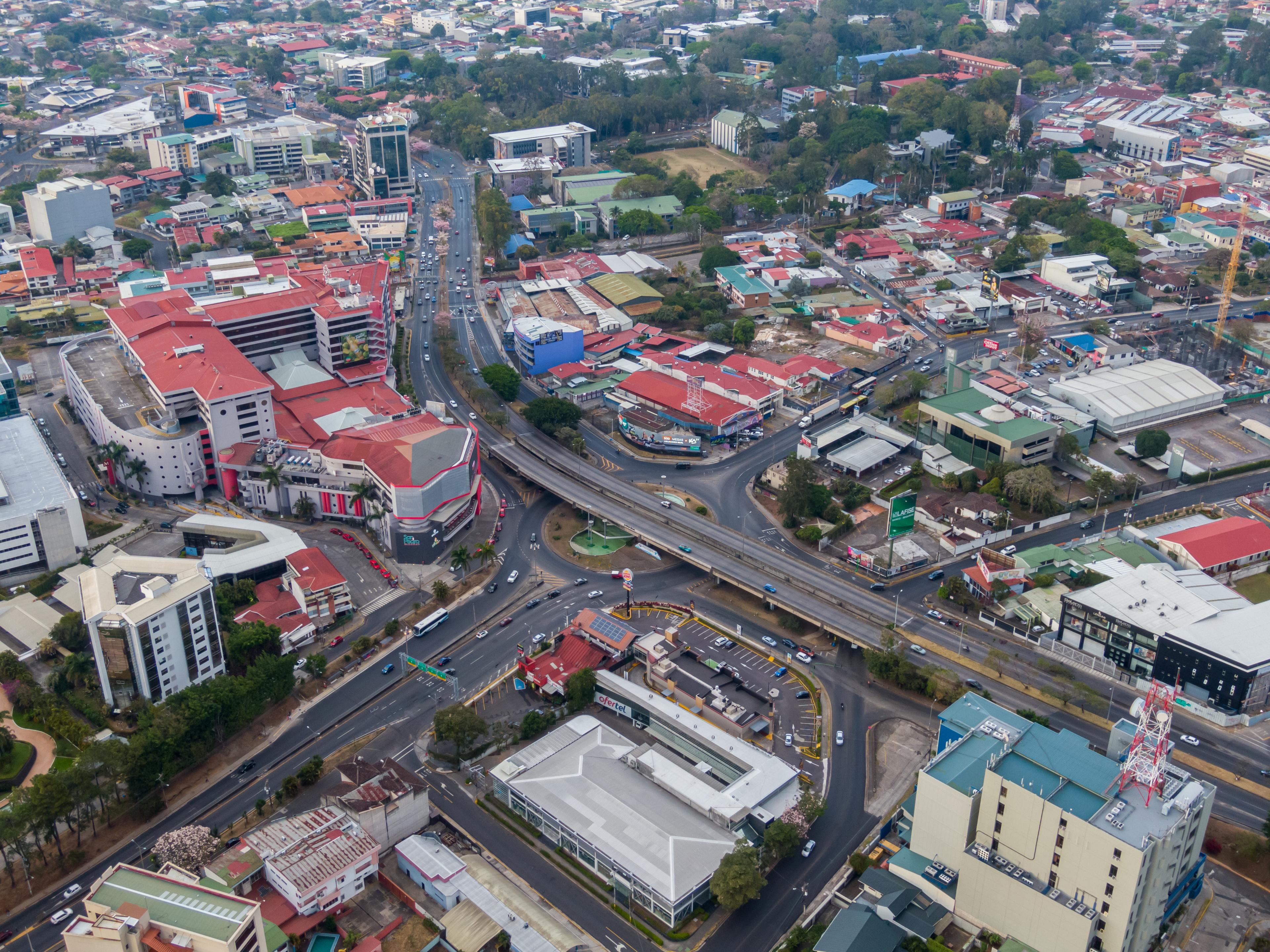
Driving in Accra isn't so much dangerous as it is dense and improvisational. Lanes are advisory, gaps close fast, and people communicate more with horns and hand signals than indicators. Most visitors who've driven in any busy city adapt within two or three days. If you'd rather not spend those two or three days learning, hire a car with a driver that's a legitimate choice, not a failure of nerve.
Here's what actually catches people out.
1. Ghana drives on the right
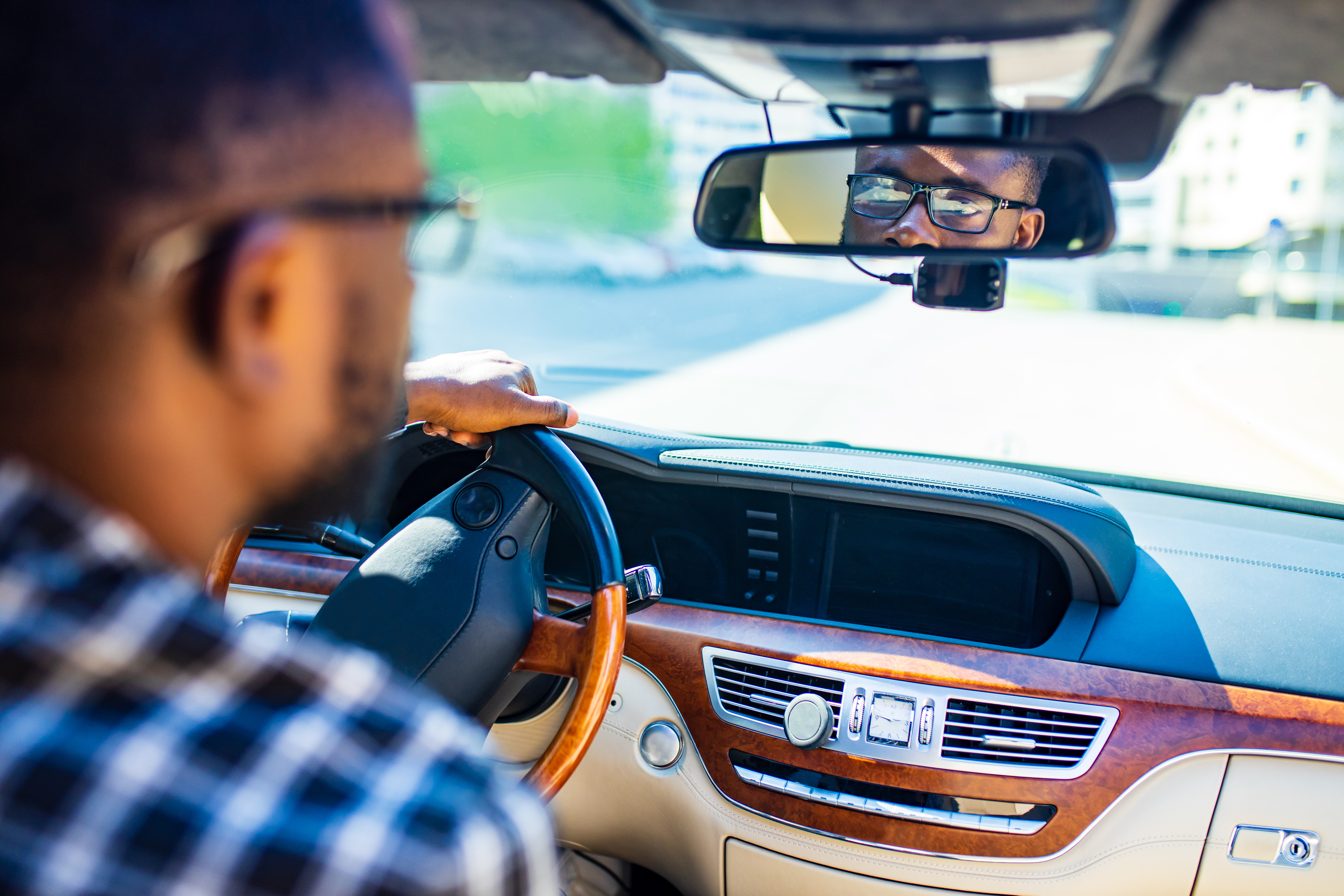
Left-hand-drive vehicles drive on the right side of the road. If you're coming from the UK, Nigeria or South Africa, this is the adjustment that takes the longest, and it bites hardest at junctions and roundabouts when you're tired. Give yourself a quiet first drive rather than starting at Kotoka at midnight.
2. Lane markings are a suggestion
Three marked lanes routinely carry four cars. This isn't chaos; it's a different convention, and it works because everyone expects it. Drive predictably, hold your line, and don't brake sharply to defend a lane. The driver beside you is watching your car, not the paint.
3. The horn is punctuation, not anger
A short beep means "I'm here", "I'm passing", or "the light's changed". It is not aggression, and you shouldn't read it as such. Use it the same way: a light tap when you're in someone's blind spot is normal and useful.
4. Trotros stop wherever there's a passenger
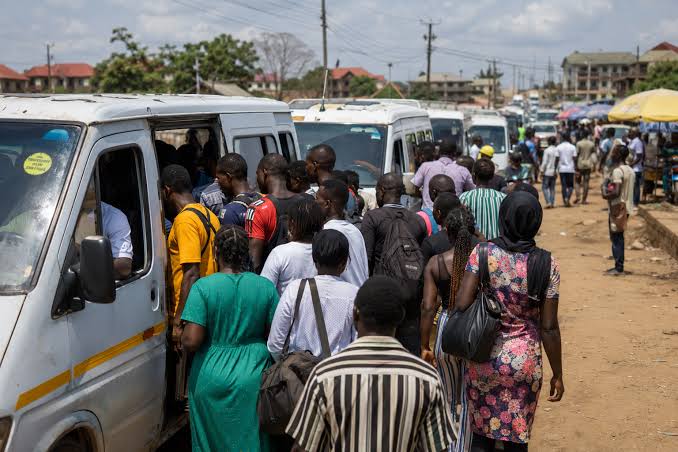
Shared minibuses are the backbone of Accra's transport, and they stop without warning, often in a live lane. Leave more following distance behind a trotro than instinct suggests, and expect passengers to step into the road on either side of it.
5. Speed bumps are everywhere and often unmarked
This is the one that actually damages cars. Bumps appear on main roads, side streets and approaches to junctions, frequently unpainted and invisible at night or in rain. Slow down through residential areas, and if the car in front brakes for no visible reason, brake too.
6. Traffic has a rhythm, and you can work around it
Morning into town and evening out of it are the heavy windows, roughly 6:30–9:30am and 4–7:30pm on weekdays. Friday evening is the worst of the week. Mid-morning and early afternoon move well. In December, widen all of those windows.
7. Night driving is a different skill
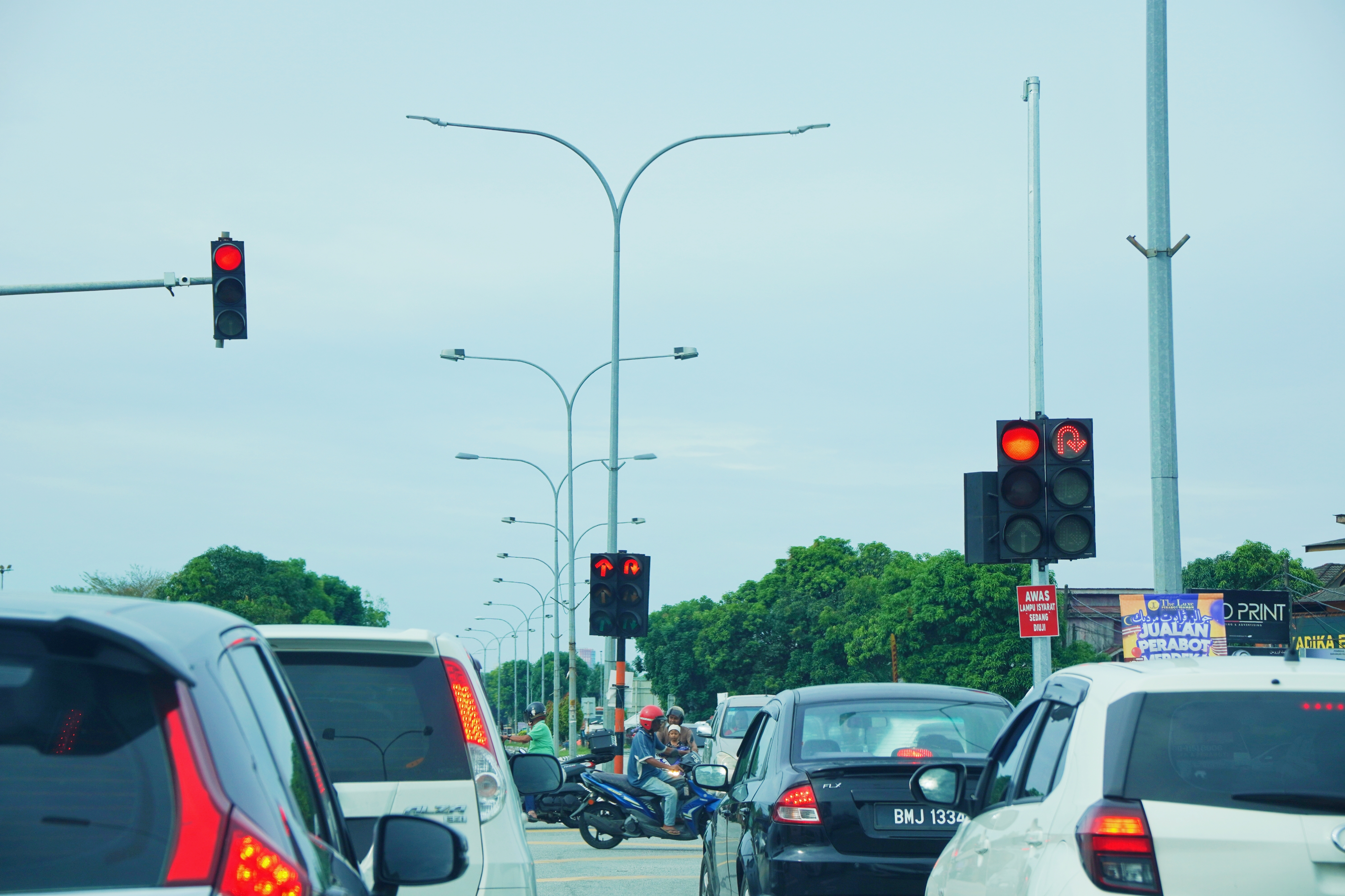
Street lighting is inconsistent. Unlit vehicles, pedestrians in dark clothing, and unmarked speed bumps all become harder to read. Some vehicles run with one headlight or full beams by default. If you're new to the city, keep your first few nights short and familiar.
8. Police checkpoints are routine
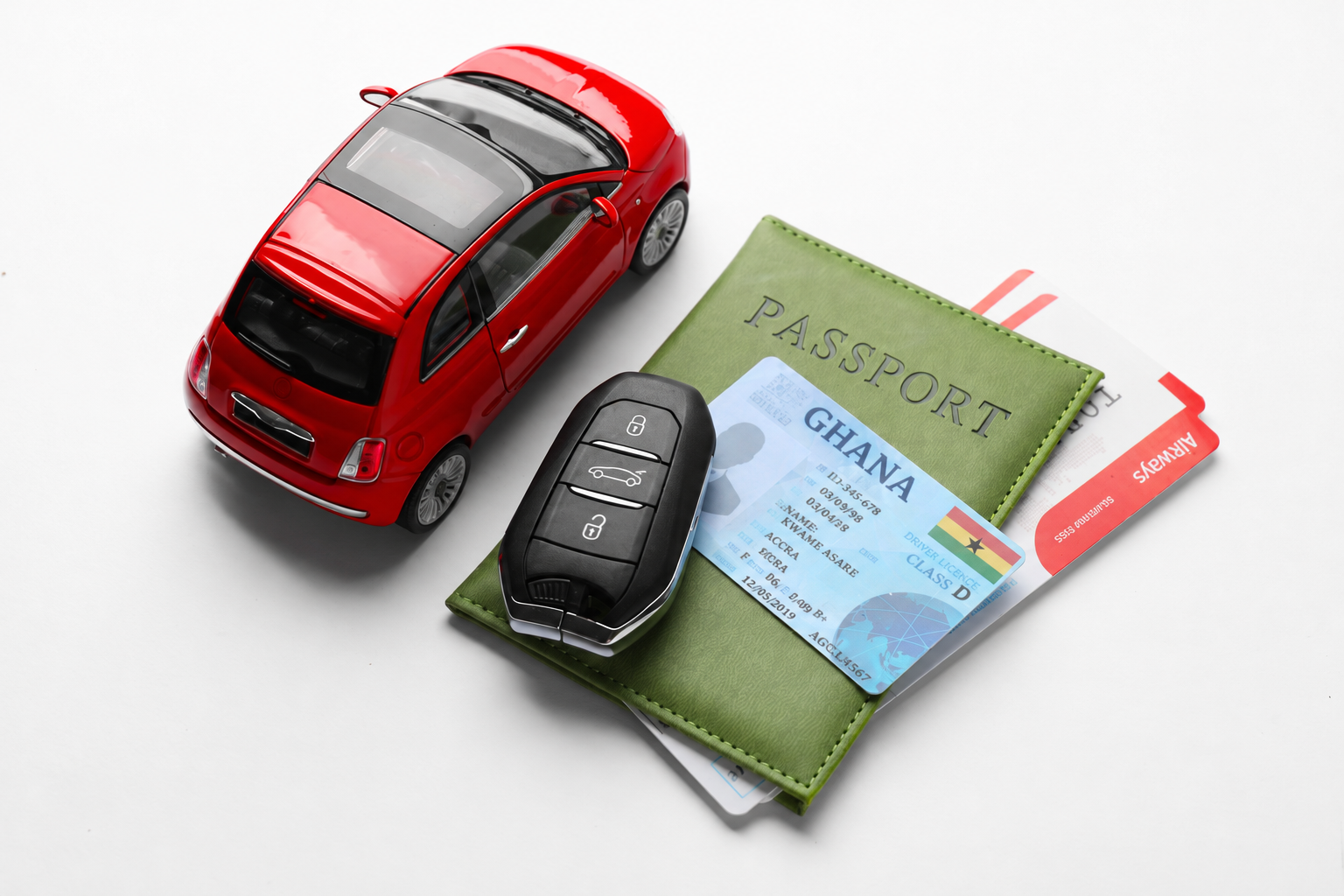
You will be stopped, probably more than once, and usually it's nothing. Slow down, wind the window down, greet the officer, and have your documents to hand: licence, IDP if you have one, ID, and the vehicle papers. Be polite and unhurried.
9. Rain changes the road
Downpours are heavy, and drainage varies. Streets flood quickly in places, potholes disappear under water, and visibility drops fast. The right response is to slow down substantially or wait it out for twenty minutes. Accra rain tends to be intense and short rather than steady all day.
10. Fuel up before you're low
Stations are common in the city and sparse once you leave it. Fill before a trip out to Cape Coast, Aburi or the Volta Region rather than assuming you'll pass something. Most stations are attended; you stay in the car and tell the attendant what you want.
11. Parking is the real problem, not driving
In Osu, Oxford Street, Makola and around December event venues, parking is genuinely scarce. Expect informal attendants, expect to pay a small fee, and expect to walk. Budget the time; it's the part of a journey most visitors forget to plan.
Should you drive at all?
An honest split.
Drive yourself if you're comfortable in heavy traffic, you're staying long enough for the learning curve to pay off, you're doing lots of short independent trips, or you're heading out of the city where the driving is much easier.
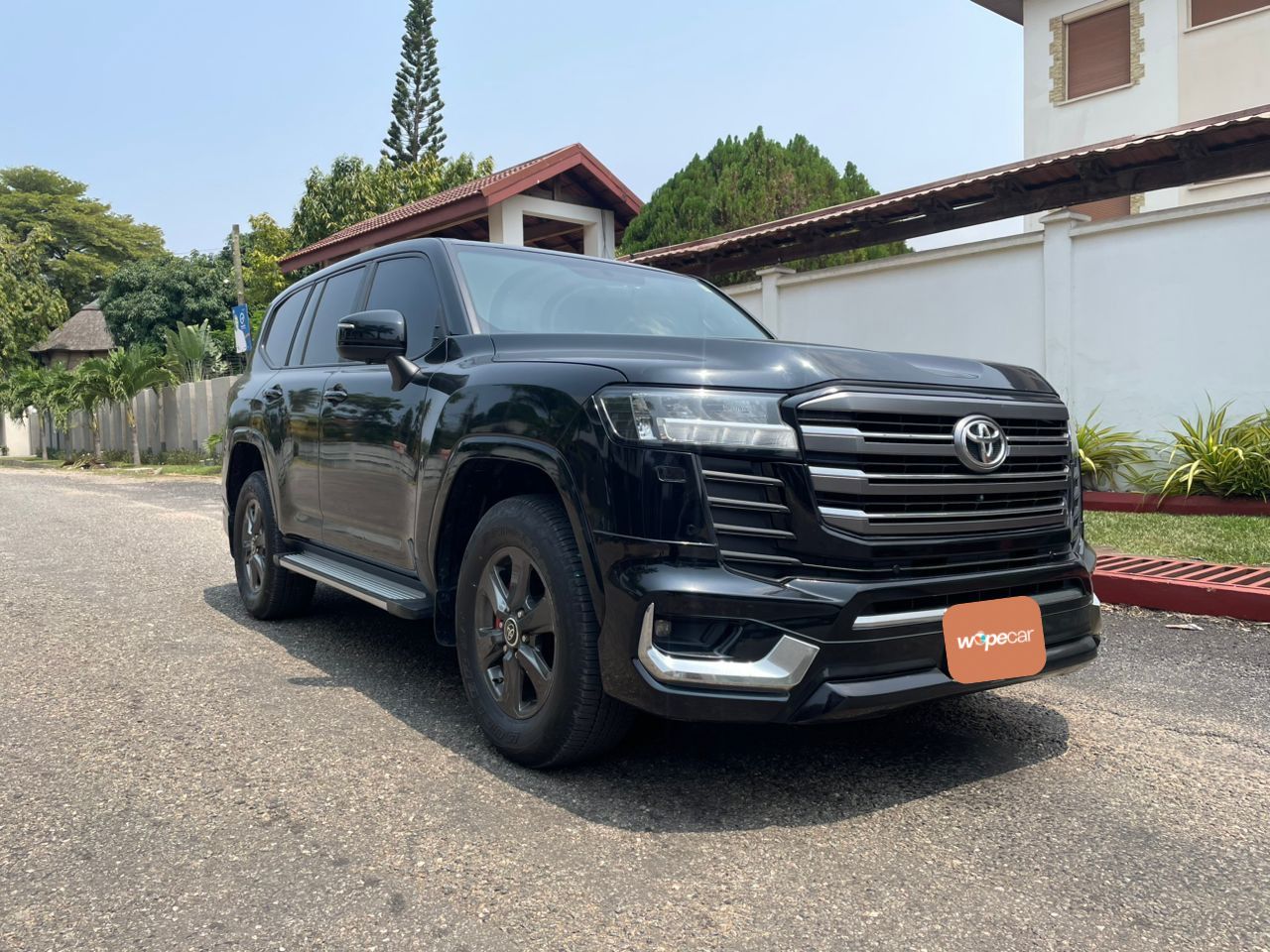
Take a driver if it's your first visit, you're arriving jet-lagged, you'll be out in the evenings, your December schedule is packed, or you'd rather look out of the window. In Accra specifically, a driver also solves parking, which is worth more than people expect.
A pattern that works well: a driver for the Accra portion, self-drive for the trip out of town. Open roads, simpler navigation, and the freedom to stop where you like.Your Accra, on your terms. Choose a chauffeured ride or take the wheel yourself.
Ready to explore Accra on your terms?



Discussion (0)